Experiential Learning
The Simulation Advantage: Learning by Doing
Lectures teach theory. Simulations teach judgment. Here's what a 100-student study found when participants ran their own virtual company.
22 July 2026
·Kedar — Cube Acumen Team
Unlike traditional teaching methods that focus primarily on lectures and case studies, business simulations place participants in the role of decision-makers. They manage a virtual company, analyse market conditions, compete with other teams, and experience the impact of every business decision they make. This "learning by doing" approach creates a safe environment where participants can experiment, make mistakes, learn from them, and improve without any real-world risk.
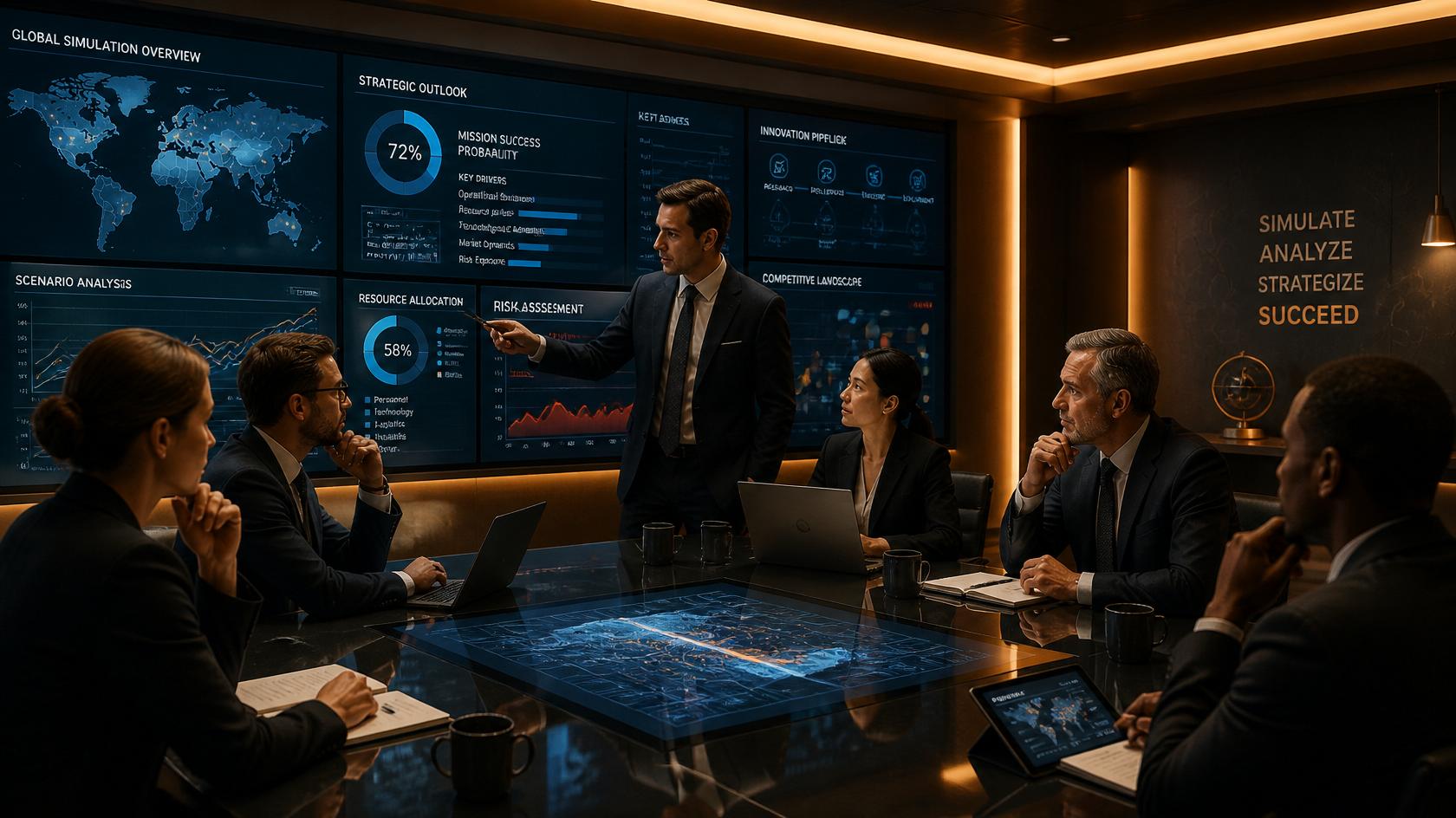
A recent academic study involving over 100 university students found that simulation-based learning significantly enhanced both technical knowledge and managerial skills. Participants demonstrated noticeable improvements in strategic thinking, decision-making, teamwork, financial analysis, problem-solving, communication, and understanding how different business functions work together. Most importantly, students reported that simulations made learning more engaging, practical, and enjoyable compared to conventional classroom instruction.
One of the biggest advantages of business simulations is that they encourage participants to think like business leaders. Instead of studying marketing, finance, operations, and strategy as separate subjects, learners understand how these functions are interconnected and how one decision influences the entire organisation. This holistic perspective prepares them for the complexities of the modern workplace.

The study also highlights that the learning experience becomes even more impactful when instructors conduct structured debriefing sessions after each simulation round. These discussions help participants reflect on their decisions, understand their outcomes, and convert practical experience into long-term managerial skills.
As organisations increasingly seek professionals who can analyse situations, adapt quickly, collaborate effectively, and make data-driven decisions, business simulations are becoming an essential component of management education and corporate learning. They not only improve knowledge retention but also develop the confidence and business acumen required to succeed in today's competitive environment.
Business simulations are no longer just an innovative teaching method—they represent the future of experiential learning, enabling individuals to transform classroom knowledge into real-world business capability.